
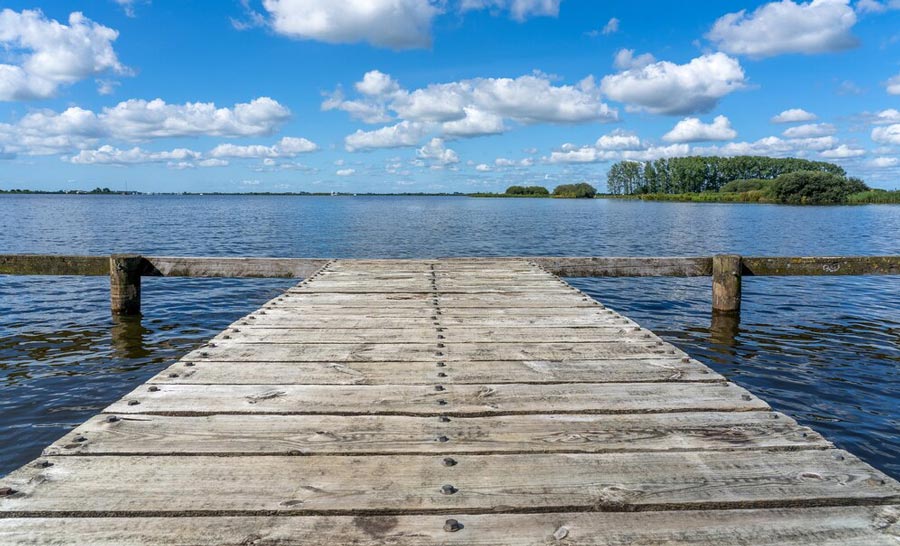
The rising costs of maintaining docks that sit idle
Owning waterfront property comes with pride, but it also comes with responsibilities. Among the biggest responsibilities is maintaining a dock. A dock is more than a place to tie up a boat. It is a structure that requires constant care, from cleaning to repairs to insurance. For many owners, the costs of maintaining a dock that sits idle continue to climb year after year.
Every season brings its own challenges. In the spring, docks often need inspection and repairs after months of wind, rain, and salt exposure. Summer brings heavy use of surrounding property, even if the dock itself is empty. And during hurricane season, storms and high tides can take a serious toll on Florida docks, causing damage that requires costly maintenance. Even when no boat is tied up, the expenses remain.
When ownership turns into ongoing cost
The costs add up quickly. Regular maintenance, wood treatments, inspections, and safety updates are necessary to keep a dock in usable condition. Property taxes on waterfront land rarely decrease, and insurance premiums can rise steadily. Owners who do not use their docks frequently often feel the weight of these costs without receiving any real benefit in return.
An idle dock can feel more like a liability than an asset. Instead of creating value, it quietly drains resources. Owners who once saw their docks as a benefit of waterfront living may start to view them as financial burdens. The frustration grows when they know that nearby boaters are struggling to find places to dock, yet their own space sits unused. If you want to better understand how your dock could generate value instead of sitting idle, explore how Dockshare works.
The impact on communities and opportunity for change
This disconnect highlights a bigger issue within boating communities. Supply and demand are not aligned. On one side, boaters lose time and opportunities because they cannot find slips. On the other side, dock owners face rising costs for property that remains idle. Both groups experience frustration, and both groups miss out on potential benefits.
The problem stretches beyond personal finances. Idle docks can affect neighborhoods and communities. When docks are unused, waterfront areas may appear neglected, discouraging activity and reducing the sense of vibrancy along the shoreline. The financial strain on owners can also lead to deferred maintenance, which affects safety and the local environment.
Rising costs without returns also limit options for owners. Some consider selling their property when expenses feel unmanageable. Others simply resign themselves to covering the costs, hoping circumstances will change. In either case, the dock remains underutilized while the bills keep growing.
The bigger picture shows that idle docks represent wasted potential. They could serve as valuable resources for boaters and as sources of income for owners. Instead, they sit empty, costing more with every passing season. For owners, the feeling of paying year after year without any return can be discouraging. For communities, it means lost opportunities for connection, activity, and growth.
The rising costs of maintaining docks that sit idle is not a problem that can be ignored. It affects individual property owners, boating communities, and the overall accessibility of the water. Recognizing the challenge is the first step toward creating solutions that bring balance between boaters searching for access and owners managing the costs of waterfront living. Owners interested in making their docks work for them can list their dock or contact Dockshare to learn how to connect with local boaters.
.
